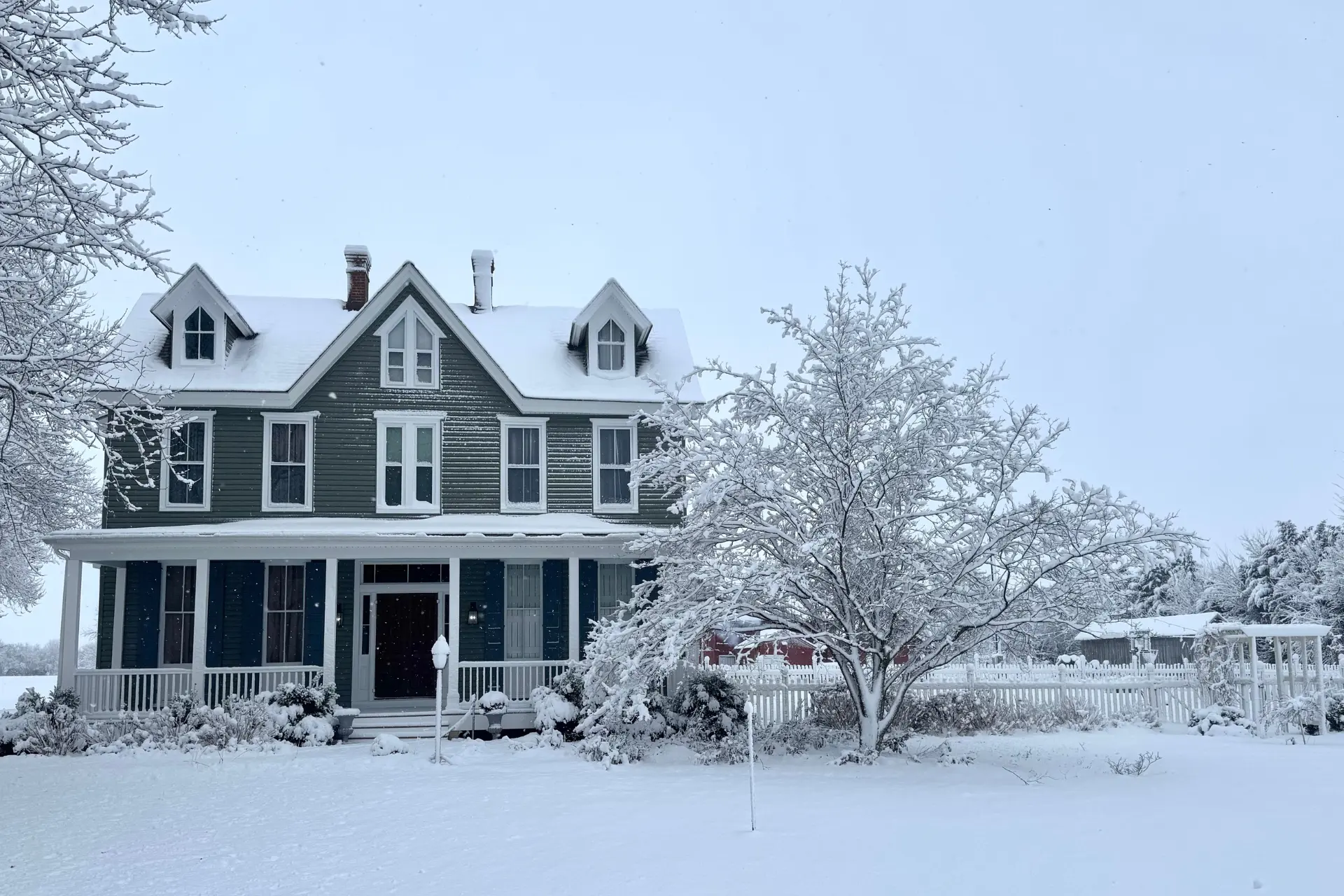
At Ivingo Creative, we believe website strategy should feel like home: structured, familiar, and thoughtfully designed. And when it comes to building a website that actually works, SEO is the blueprint, the address, and the front porch light all in one.
But SEO can feel like an overwhelming buzzword soup: keywords! backlinks! crawlability! It’s a lot.
So let’s break it down in terms anyone can understand: house terms.
Because your website is your digital home. And if you want people (and Google) to visit, stay, and maybe even refer their friends, you need more than a pretty door. You need a structure that makes sense, from the curb to the attic.
Curb Appeal: Your Search Result Listing
Your first impression happens before anyone even clicks.
When your site shows up in Google results, the:
- Title tag = your home’s “For Sale” sign
- Meta description = the little flyer with just enough charm to get someone to stop scrolling
- URL = your page’s street address
Want more clicks? Don’t leave your curb appeal up to chance. Craft those elements intentionally — and make sure each page is actually targeting one clear keyword or keyphrase.
The Foundation: On-Page SEO
On-page SEO is the bones of your site. It’s the concrete slab everything else rests on.
This includes:
- Proper use of headings (H1, H2, H3...) — like the framework of a house
- Keyword strategy — your content’s relationship to Google
- Image optimization and alt text — making sure every photo has a job
Weak foundation? Cracks start to show. Strong foundation? You’re ready to build up.
Your Hallways: Internal Linking
Most people overlook this — but not us.
Internal links are how your rooms (aka your content) connect. They’re the hallways of your digital house. Without them, your visitors get stuck in one room with no idea where to go next.
When you add intentional internal links:
- Visitors spend more time exploring
- Google finds and indexes more pages
- You build topical authority, which is nerd speak for “Google thinks you know your stuff”
And yes, this is one of those “advanced basics” almost no one talks about. But we do. Because you can’t build a mansion with dead ends.
The Second Floor: Archive & Category Pages
Now we’re leveling up — literally.
If internal links are hallways, category and archive pages are entire floors of your house.
Here’s the breakdown:
- A category page is like the landing area of your second story.
- The individual blog posts or pages are the rooms on that floor.
- An archive page keeps everything organized — kind of like a curated library shelf, not a junk drawer.
When your content is grouped properly:
- Visitors can binge your best ideas
- Google sees that you're covering topics in depth (which = better rankings)
- You get more traffic to your older, evergreen posts — instead of them collecting dust
Most SEO “experts” ignore this. We do not. Because if you’re not using your second floor, you’re leaving square footage (and search potential) on the table.
The Landscaping: Technical SEO
You can have the coziest house on the block, but if the path to your door is overgrown and full of potholes? People will keep driving.
Technical SEO is what makes your site accessible:
- Fast page speed
- Mobile responsiveness
- Clean code
- XML sitemaps
- Secure HTTPS
It’s like keeping the driveway shoveled and the lights on. Doesn’t need to be flashy — just functional.
Your Neighborhood Reputation: Local SEO
If you’re a local business, you want people nearby to know your name.
Local SEO is your neighborhood rep:
- Google Business Profile (your digital mailbox)
- NAP consistency (Name, Address, Phone)
- Reviews and local links (word-of-mouth, but on the internet)
It helps you show up for searches like “web designer in Maryland” — not just “web designer on Earth.”
Word of Mouth: Backlinks
Backlinks = recommendations.
When other trusted websites link to yours, it’s like getting a five-star referral from a neighbor everyone loves. The more quality backlinks you have, the more Google assumes your site is legit.
You don’t need thousands — you need a few good ones. Think “respected mentors,” not “random people on Facebook Marketplace.”
Interior Design: UX, Flow & Functional Structure
nce someone walks through the front door (thanks SEO!), what happens inside your site matters just as much.
This is the user experience (UX) — how your visitors navigate, engage, and convert.
Think:
- Menus that make sense (not 47 dropdowns with mystery meat)
- Calls-to-action that feel like a natural next step
- Whitespace and visual hierarchy that guide the eye
- Responsive layout so your content looks good on every screen
But interior design isn’t just about looks — it’s also about flow and function.
This is where structured content comes in:
- Organized headings = a clear layout plan
- Schema markup = labeled drawers and light switches Google can actually see
- Consistent formatting = good bones under the pretty paint
It’s not about making your site look fancy — it’s about making it feel intuitive, both to humans and to search engines. That’s how design becomes strategy.
So yes, SEO lives inside your walls too. And it’s very into feng shui.
Strategy Is What Makes Your Website Feel Like Home
SEO isn’t a one-time checklist. It’s the ongoing care, curation, and connection-building that makes your website feel lived-in and loved.
At Ivingo Creative, we’re not here to just paint the walls. We’re here to architect the kind of online home that:
- Attracts the right people
- Guides them with clarity
- Converts with heart
- And keeps them coming back
Because strategy is where it all comes home.
Ready to Renovate Your Digital House?
If your website feels like a maze, a money pit, or just a little underloved, we can help. Whether you want a full renovation or just some SEO coaching, we’ll help you create a strategy that’s built to last.