
Your website is more than your homepage and a “work with me” button.
It’s not a digital business card. It’s not a passive placeholder. It sure as hell isn’t enough to have five static pages and call it a strategy.
But let’s back up. Because if you’ve ever thought, “My site is simple, but it works for now,” you’re not alone. Minimalist websites have been the norm for years.
The problem? The way people search—and the way search engines evaluate your site—has changed.
Which means thin sites are getting left behind!
This post is your primer on what’s really going on under the hood: how pages, sitemaps, and structure impact your visibility—and why building a bigger, smarter digital home isn’t just a nice-to-have.
Your Sitemap: The Blueprint Of Your Website
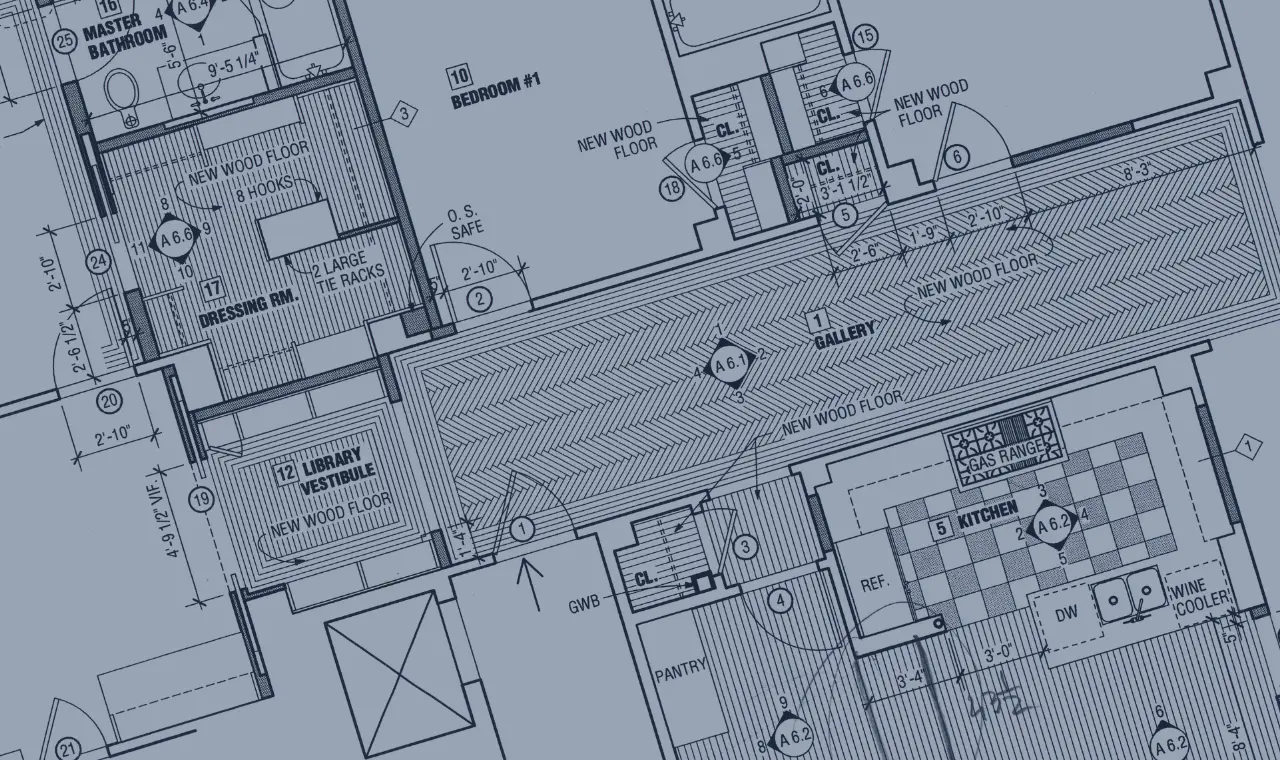
Think of your website like a house (I know, but if you've read me long enough you know this is a GREAT metaphor).
Each page is a room. Each link is a hallway. And your sitemap? That's the floorplan.
A sitemap is what tells Google what pages exist on your site, how they're connected, and how important each one is. There are different kinds (like XML sitemaps for bots and visual sitemaps for planning) but the point is the same;
If your sitemap only has five rooms, that's all Google sees.
That's all your users can access. That's all you're ranking for!
And if one of those five pages is "About," another is "Contact," and one is a homepage with no depth? You're not working with much.
Structure Isn't Sexy, But It's What Wins.
SEO isn't just about stuffing keywords into headlines.
It's about context. And context is built through structure: how your pages relate to each other, how they're categorized, and how links guide both humans and search engines through your site.
When your website is structured intentionally, a few magical things happen:
- Your authority grows in the eyes of Google
- Visitors say long and find what they need faster
- Every new piece of content amplifies what's already there
Without structure, every page is an island. And unfortunately, islands don't convert.
The Risk of "Just Enough" Websites
If your site only has five pages, you are likely dealing with;
- Limited keyword coverage: You can only rank for what you have content about.
- Weak internal links: Less navigation means fewer signals to Google.
- Lower engagement rate: Visitors bounce because there's nowhere else to go
- No content depth: You can't build topical authority if your house has no library!
This isn't a knock-out on simple sites. It's a reality check for where the internet is heading.
Small sites used to be fine. But now they're getting outranked by competitors with content ecosystems.
How to Build a Scalable Site (Even If You're Just Starting)
The good news is you don't need 100 pages tomorrow. But you do need a plan.
Start with a foundation that leaves room to grow. That might include:
- A blog (aka Your Library) with regular, strategic posts
- Category pages or topic hubs that link related content together
- Clear service landing pages with SEO-rich detail
- Internal links that make your site feel like a home, not a maze
Every new page is another door into your world. Make it count!
Ready to Stop Playing Small?
If your website isn't built to scale, you're not just missing traffic. Your'e losing trust, relevance, and long-term ROI.
That's why we created The Drawing Room: an SEO membership for business owners ready to expand their site from a 5-page starter home to a fully optimized digital mansion.
Inside, we'll build content strategy room by room, optimize your site structure with SEO in mind, and turn your website into an engine for organic growth.
Join the waitlist here and be the first to get access when the doors open!
Your site is your home online. Let's make it worth finding, and staying in.